Skin cancer is already among the most common cancers worldwide. If all forms, including often under-recorded non-melanoma types, were reliably screened and recorded, it would likely be a top global cancer incidence. In the EU alone, over 620,000 new cases are diagnosed annually, with associated healthcare costs exceeding €9 billion. These figures are projected to rise by up to 50% by 2030, placing increasing pressure on healthcare systems.
Effective skin cancer screening requires a method that is simple, non-invasive, low-cost, and scalable – ideally without needing a dermatologist for the initial assessment. AI-based tools perform well by analysing the shape of suspicious areas in images, but they are limited to surface-level, visual data at later cancer stages.
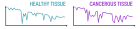
THz-Skin offers a transformative approach by detecting early-stage cancer spectral fingerprints from the skin’s thermal emissions, providing biochemical information from up to 1 mm beneath the surface. This enables fast, safe, and accurate skin lesion triage based on underlying biochemical changes, offering a powerful, stand-alone non-invasive tool for risk classification of suspicious skin lesions to support clinical referral and biopsy decisions. This removes the reliance on specialist dermatologists for visual inspection at the initial diagnostic stage, brings objectivity in early triage and eliminates the risk and cost of unnecessary biopsies – all essential steps to enable mass, skin cancer screening programmes